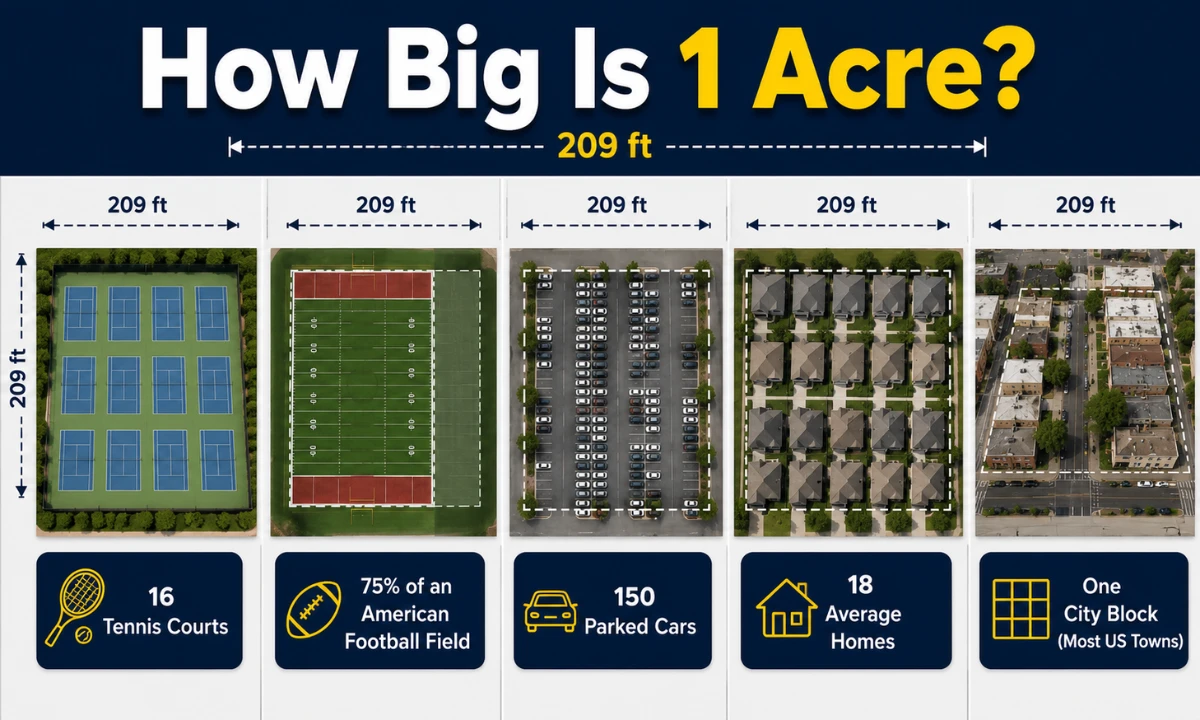
You see “1 acre” on a land listing, a property deed, or a park sign — and the number does absolutely nothing for your brain. It sits there, dimensionless and abstract, until someone gives it a shape.
One acre equals 43,560 square feet — a perfect square roughly 209 feet on each side, about 4,047 square meters, or 0.405 hectares. That’s the conversion. What it actually looks like is what the rest of this article is for.
1 Acre in Different Units
| 📏 Unit | 📐 Converted Value |
|---|---|
| Square Feet | 43,560 sq ft |
| Square Yards | 4,840 sq yd |
| Square Meters | 4,047 sq m |
| Hectares | 0.405 ha |
| Square Miles | 0.0015625 sq mi |
| Dimensions (Square) | 209 ft × 209 ft |
How Much Is 1 Acre Exactly?
1 acre is 43,560 sq ft, 4,840 square yards, or 0.405 hectares — a land area used as the standard unit of measurement across US real estate, agriculture, and urban planning. Its origin goes back to the Middle Ages, when it was defined as the amount of land a yoke of oxen could plow in a single day.
The most useful mental shortcut: a square acre measures 209 feet on each side — and you can walk one edge in about 70 normal steps.
1 Acre at a Glance
A few quick comparisons before the full breakdown:
- About 75% of a standard American football field including end zones.
- Enough space to fit 16 regulation tennis courts side by side.
- Large enough to park approximately 150 standard cars.
- About the same footprint as 18 average single-family homes.
- Slightly smaller than a standard soccer field (which covers ~1.3 acres).
- Large enough to fit a full city block in most US towns.
12 Real-World Things That Show You How Big 1 Acre Is
16 Tennis Courts

A regulation tennis court measures 78 feet long by 36 feet wide — 2,808 square feet in total. Sixteen courts placed side by side cover 44,928 square feet, which sits just over the 43,560-square-foot acre mark.
This is one of the cleanest visual comparisons for an acre because the courts create a clear, orderly grid. Sixteen white-lined courts packed together is your entire acre — neat, measurable, and easy to picture from the baseline of any public park facility.
75% of an American Football Field

A full NFL football field — including both end zones — measures 360 feet long by 160 feet wide, totaling 57,600 square feet. One acre covers about 75% of that total area, which means roughly the field from one end zone to the 25-yard line on the other side.
This is probably the most recognized acre comparison in the United States. Most people have stood on or next to a football field at some point. Picture that full field, then mentally remove one end zone and a bit more — what remains is almost exactly one acre.
150 Parked Cars

A standard parking space measures approximately 8.5 feet wide by 18 feet long — about 153 square feet per space. One acre at 43,560 square feet can hold roughly 150 spaces when you account for access lanes and driving aisles between rows.
Next time you’re in a large parking lot, look at a section of roughly 10 rows of 15 cars each. That cluster of parked vehicles and the pavement they’re sitting on is approximately one acre of land.
18 Average American Homes
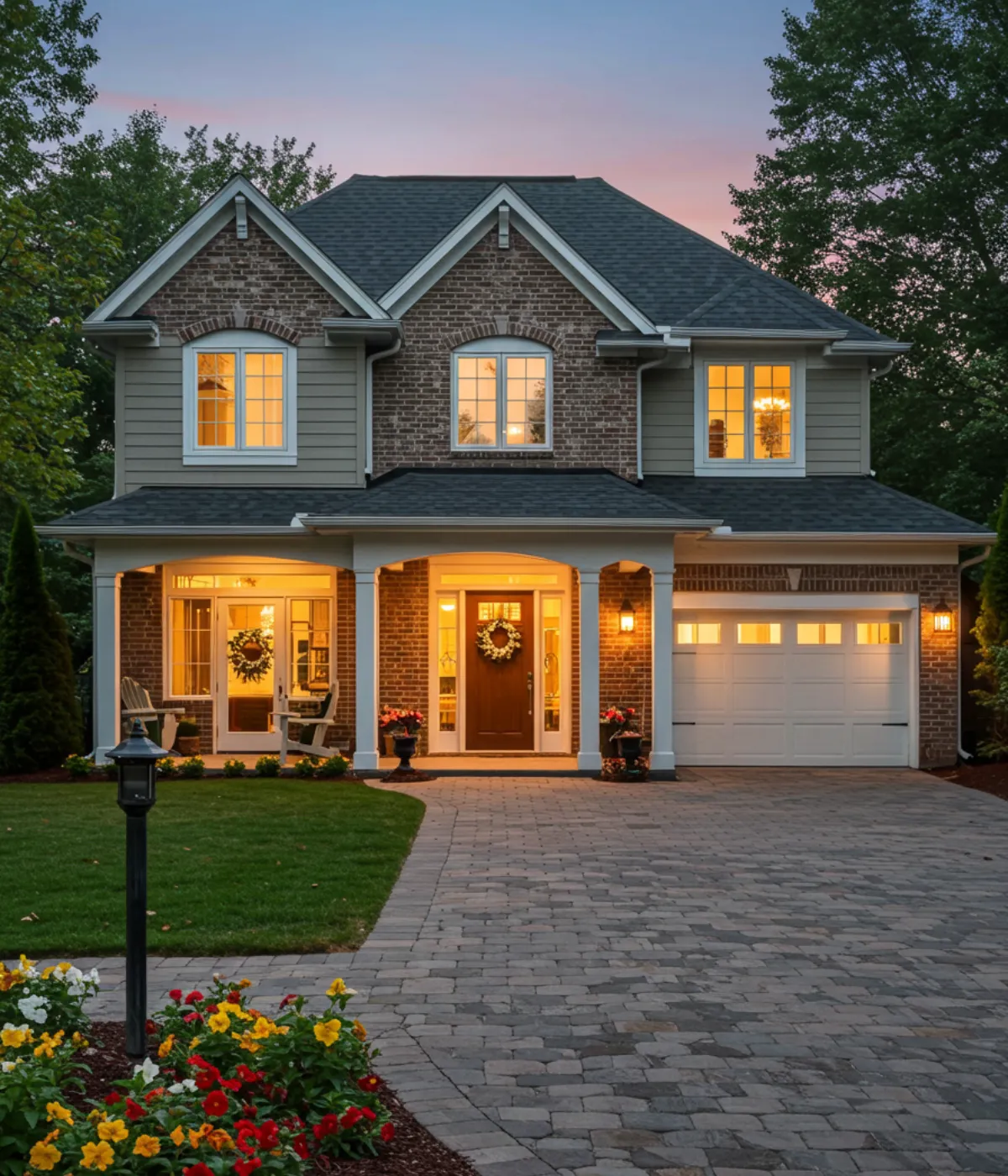
The median size of a new single-family home in the US is approximately 2,300 square feet. Eighteen of those homes placed footprint-to-footprint — no yards, no driveways, just the building footprints — would cover 41,400 square feet, right at the acre mark.
This is the most grounded real estate comparison available. Every street in every suburb is lined with homes that are roughly this size. Mentally stack 18 of them on the same plot with no space between and you’re standing on one acre.
One City Block (Most US Towns)

A standard city block in most American cities measures between 300 and 400 feet per side — but in denser urban grids like Manhattan or Chicago, blocks run closer to 200 feet per side, which lands within striking distance of a 209-foot square acre.
In most small to mid-sized US towns, a standard residential block is very close to one acre in total ground footprint. Look at your neighborhood on any mapping app, find a single block, and that area is your acre reference — always available, always within a walk from your door.
A Regulation 9-Hole Pitch and Putt Course
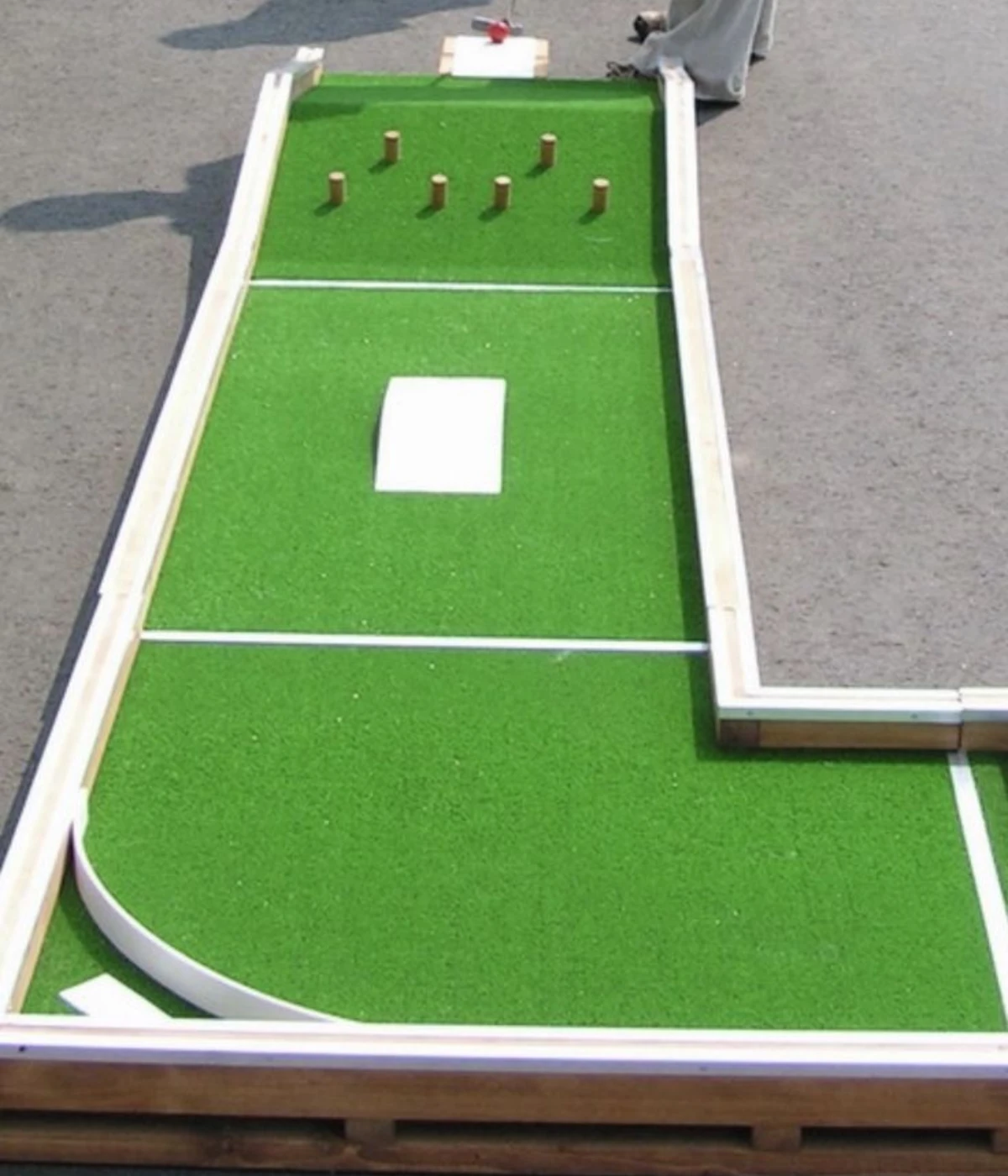
A compact 9-hole pitch and putt golf course — the short-game format played on smaller public courses — covers approximately 43,000 to 45,000 square feet in total playing area. This size is the minimum standard for a functioning short-game layout with separate tee boxes, fairways, and greens.
Golf course designers use one acre as the baseline land requirement for this exact format. If you’ve played a neighborhood pitch and putt, you’ve walked the perimeter of approximately one acre without realizing you were doing a geometry lesson.
A Walmart Supercenter Parking Section
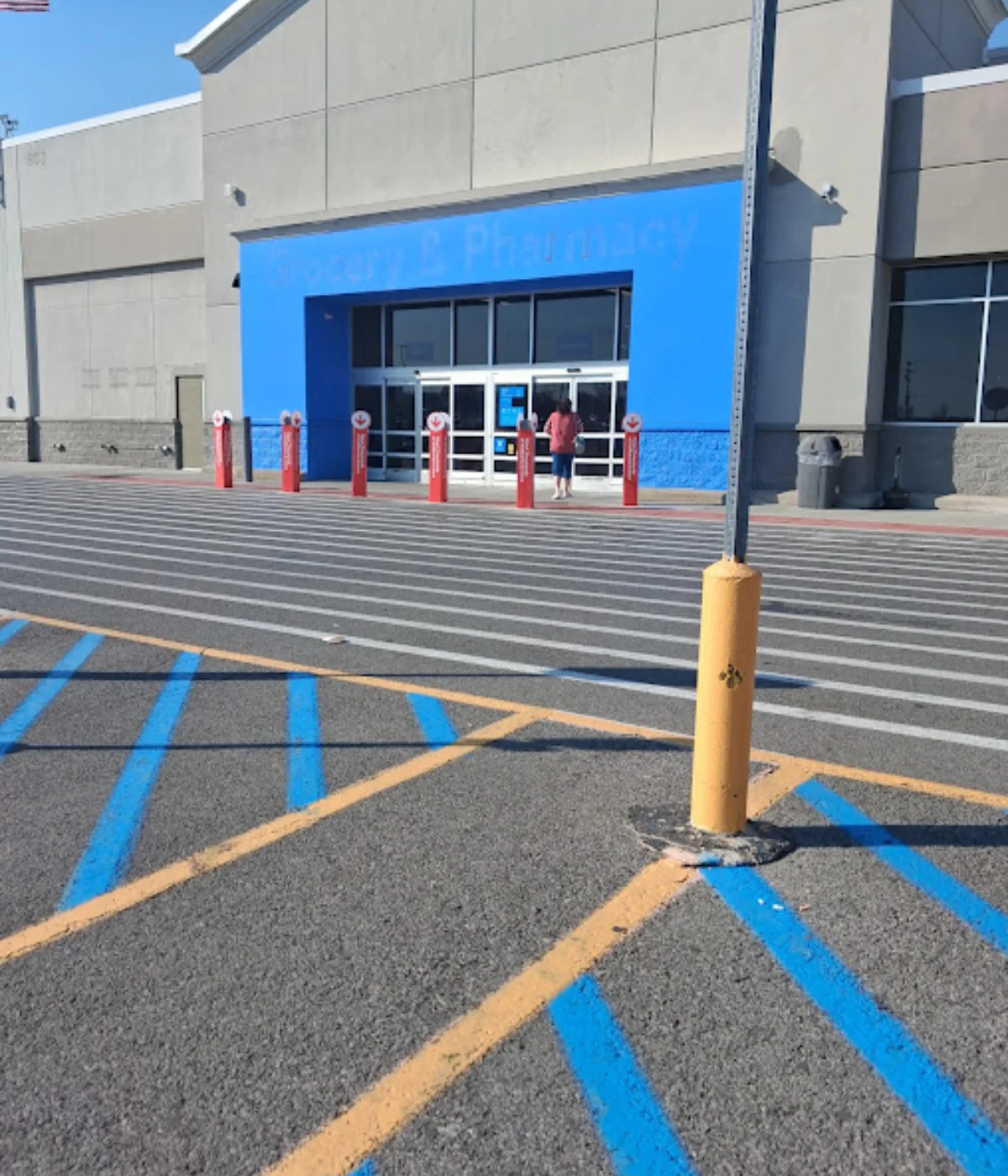
A full Walmart Supercenter sits on approximately 20 to 30 acres of total land including the building and parking lot. But one dedicated section of a Supercenter parking lot — about 10 rows of 15 spaces — covers almost exactly one acre of asphalt.
This comparison works well because the scale of a Walmart lot is legible from the entrance. You can see the full acre at a glance from the front row. That section right in front of you — maybe 150 spaces, the nearest ten rows — is one acre of suburban American retail landscape.
A Standard City Park Neighborhood Plot
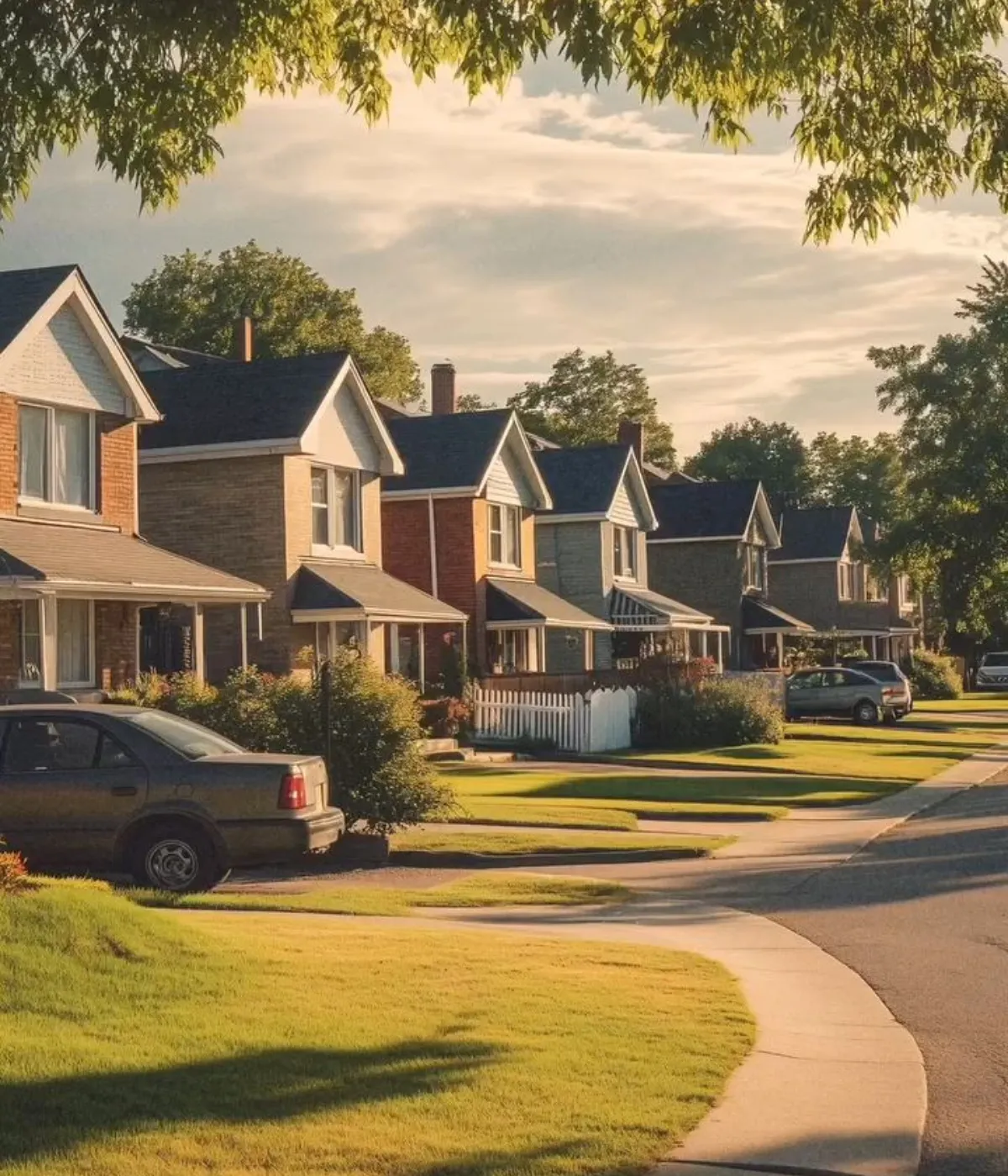
Many small neighborhood parks in US cities are designed on a one-acre footprint — a playground, a small grass area, a few benches, and maybe a basketball half-court all fitting within the same plot. The National Recreation and Park Association identifies one acre as the minimum functional size for a neighborhood vest-pocket park.
If you’ve sat in a small corner park in any American city — the kind with a slide, a few trees, and a bench — you’ve likely been inside a one-acre parcel without ever knowing the number attached to it.
A Large Home with Half-Acre Lot — Times Two
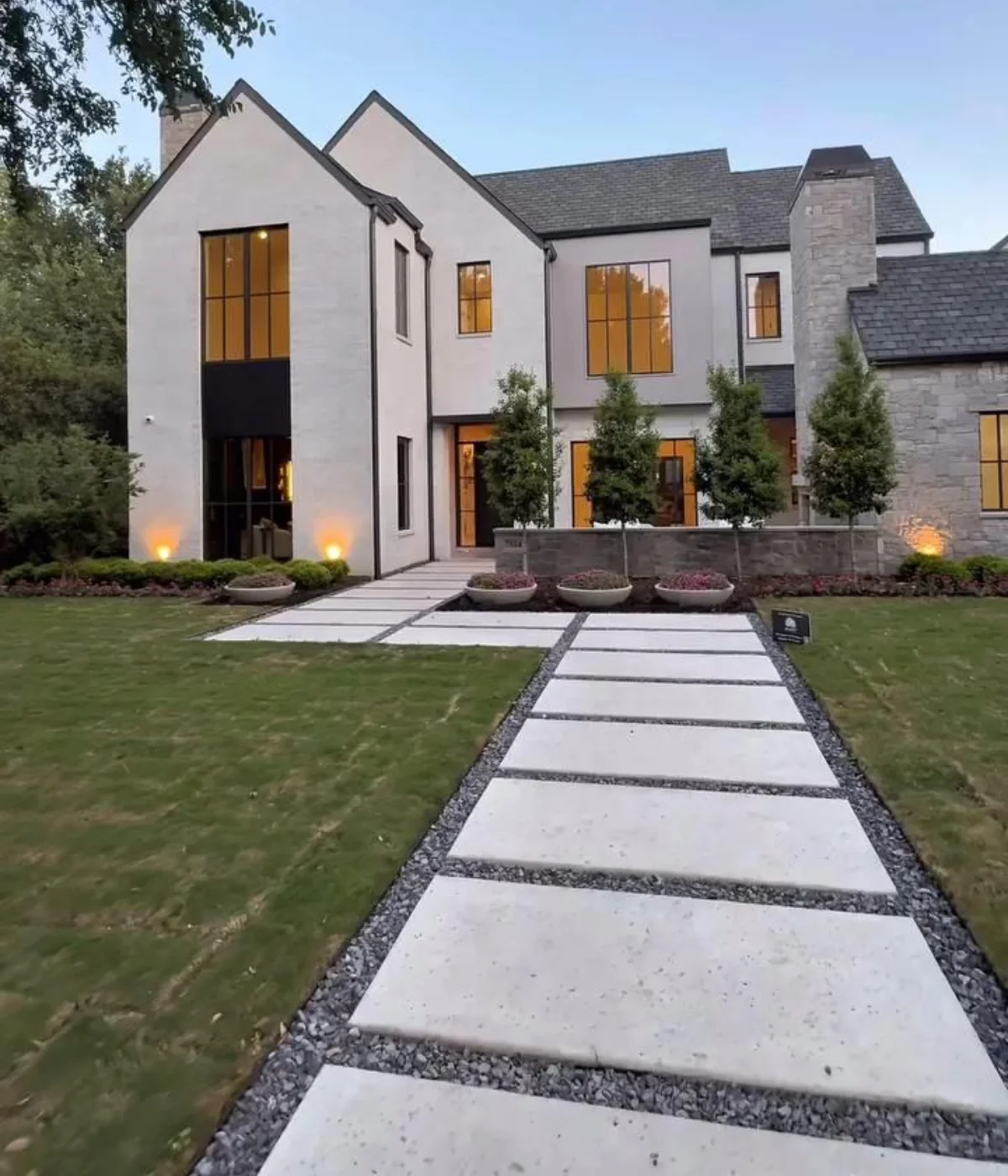
The median residential lot size in the United States is approximately 0.2 acres for urban properties and 0.5 acres for suburban single-family homes. Two half-acre suburban lots placed side by side equals one full acre.
This is the most practical real estate reference for most homebuyers. If you’ve walked around a typical suburban home with a decent yard, you’ve experienced about half of an acre. Double that feeling and you’re standing on the full measurement everyone references in land listings.
A Full American Legion or Community Baseball Diamond
A standard Little League or community baseball diamond — including the infield, grass outfield, warning track, and foul territory — covers approximately 43,000 square feet at the youth field dimensions used across most American recreational programs.
Every small town in the US has one of these. The full field from the backstop fence to the outfield wall — all that grass, dirt, and chalk — is almost exactly one acre. Walk from home plate straight to center field and you’ve crossed approximately 200 feet of your acre’s edge.
Four Standard Tennis Courts Plus a Clubhouse
While 16 courts fill a full acre, a community tennis facility with four courts and a small clubhouse building covers approximately one quarter acre per court cluster, making four courts plus a modest structure fill almost exactly one acre in total.
Most city parks build exactly this layout. If you’ve been to a neighborhood tennis facility with four side-by-side courts and a small equipment room, you’ve stood on a one-acre park footprint multiple times without a ruler in sight.
A Large Backyard Garden Plot (Commercial Scale)
Commercial market garden plots and urban farm operators typically work in one-acre units because that size is large enough to generate meaningful yields but small enough for one or two people to manage without heavy equipment. A single acre can support approximately 4,000 to 5,000 heads of lettuce, 800 tomato plants, or 20,000 carrots at commercial planting densities.
This comparison matters for anyone thinking about land in agricultural terms. One acre isn’t just an abstract square — it’s the unit at which small-scale food production becomes commercially viable, and it fits comfortably in the backyard land area of many rural and suburban properties.
How to Picture 1 Acre Without Any Tools
83 Walking Steps = One Acre Edge
An average adult step covers about 2.5 feet. Walk roughly 83 steps in a straight line to cover one side of a square acre (about 208 feet).
Drive 0.04 Miles
One side of a square acre is approximately 208 feet, or about 0.04 miles. Watch your odometer to visualize this distance while driving slowly.
Football Field = Nearly One Acre
An NFL football field with end zones is slightly larger than an acre. Imagine removing one end zone and a little more to picture approximately one acre.
About 150 Parking Spaces = One Acre
A parking lot with roughly 150 parked cars, including the driving lanes, occupies about one acre, making it an easy real-world area comparison.
See More:
Frequently Asked Questions
What does 1 acre look like visually?
One acre looks like 16 tennis courts placed side by side, 75% of a football field, 150 parked cars, or a small city park with a playground — a square plot of roughly 209 feet on each side that you can walk across in about 70 steps.
What is 1 acre comparable to?
1 acre is most comparable to 75% of an American football field, 16 regulation tennis courts, 18 average home footprints side by side, or a standard neighborhood city block in most US towns.
Is an acre 200 ft by 200 ft?
Not quite — a square acre is 208.7 feet by 208.7 feet, not 200 by 200. A 200 × 200 foot plot covers 40,000 square feet, which is about 8% smaller than a full acre of 43,560 square feet.
How big is 1 acre compared to a football field?
One acre is about 75% of a standard American football field including both end zones. The full NFL field is 57,600 square feet; one acre is 43,560 square feet — so an acre fits comfortably inside the field with room left over past the 25-yard line.
Final Thought
An acre is smaller than most people picture and larger than most backyards. It’s the parking lot outside a store, the neighborhood park down the street, and the footprint of 18 homes squeezed together. Once you attach it to one of these real places you’ve already stood in, the number never feels abstract again.
Walk 83 steps in a straight line. That edge you just traced is one side of an acre. Now you’ve measured it with your own feet.

Hi, I’m John Smith, the admin at BedDimensionsChart.com. I make measurements simple and easy to understand, from bed sizes to everyday length conversions. Clear guides. Accurate dimensions. No confusion.